struct DATA
{
  int ID; // the key
  char Name[32];
  struct
  {
    double x;
    double y;
    double z;
  } Position;
  double NFA[128];
  int DFA[64];
};
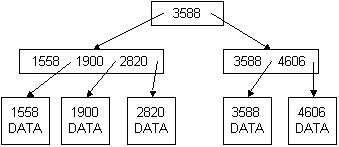
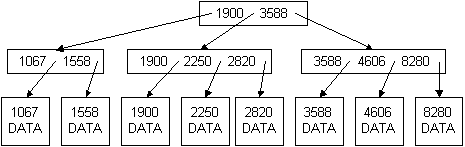
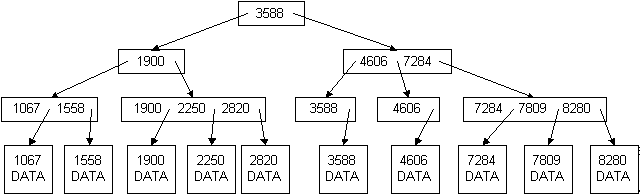
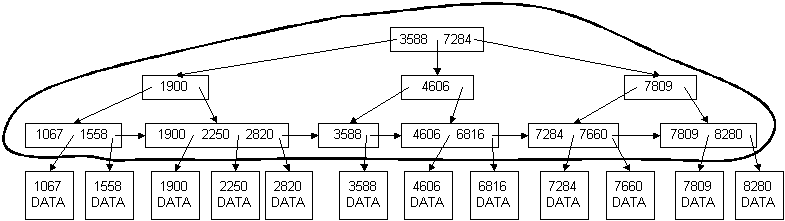
This example shows a B+ tree of order 4 (order is same as branching factor). In other words, a 2-3-4 tree.
Adding 3588 to the empty tree:
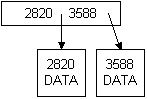
Adding 2820:
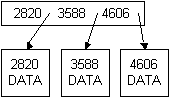
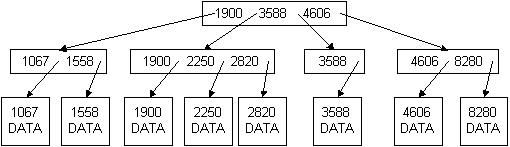
Adding 4606: (The root node is now full.)
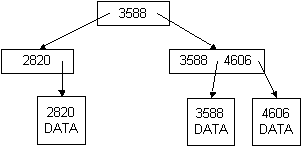
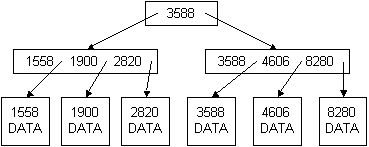
Adding a new node (any value) now causes the root to split:
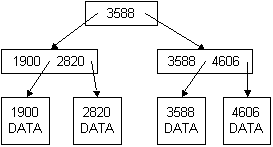
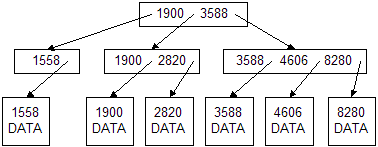
Adding 1900:
Adding 1558:
Adding 8280:
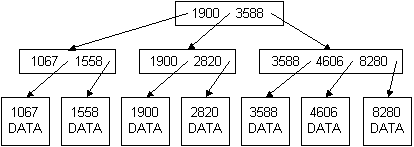
Adding 1067 causes the leaf to split:
Adding 1067:
Adding 2250:
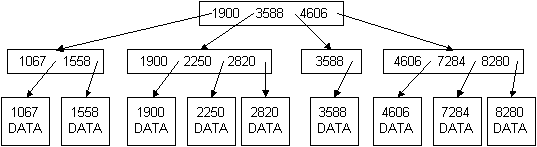
Adding 7284 causes the right-most leaf to split (root is now full):
Adding 7284:
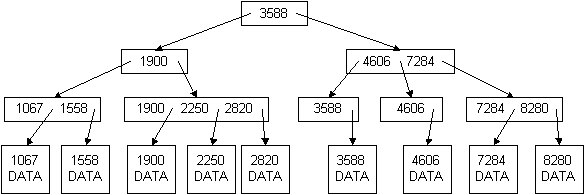
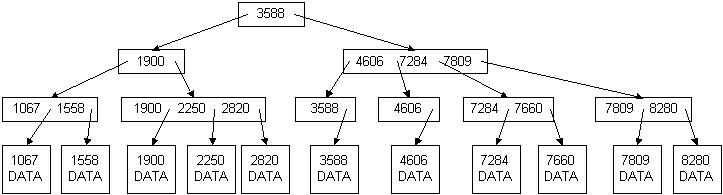
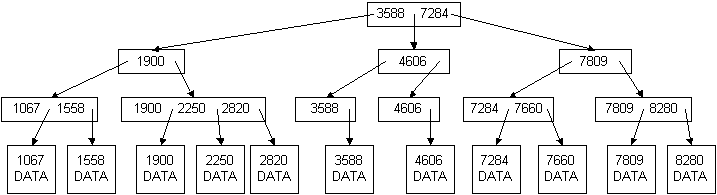
Adding any new node causes the root to split:
Adding 7809 causes the right-most leaf to become full:
Adding 7660 causes the right-most node to split:
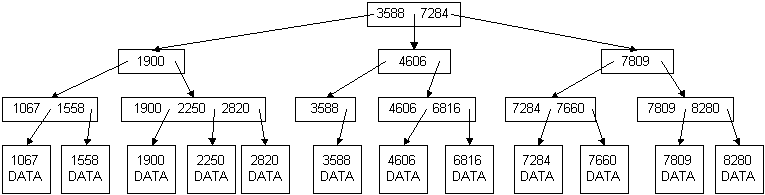
Adding 6816 causes an internal node to split:
Adding 6816:
Some implementations link the leaves together for easy in-order traversal. (Range searches)